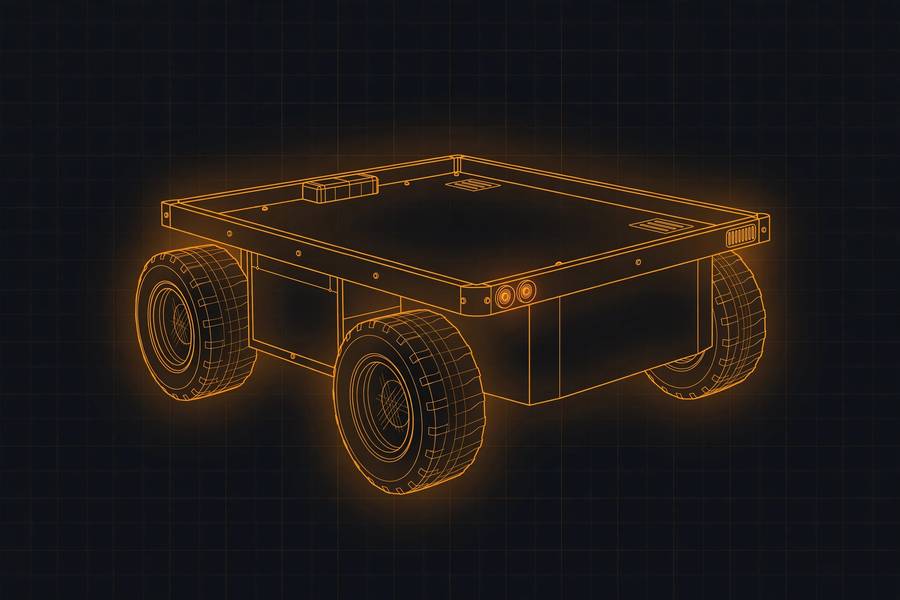
Described in words, never drawnPass
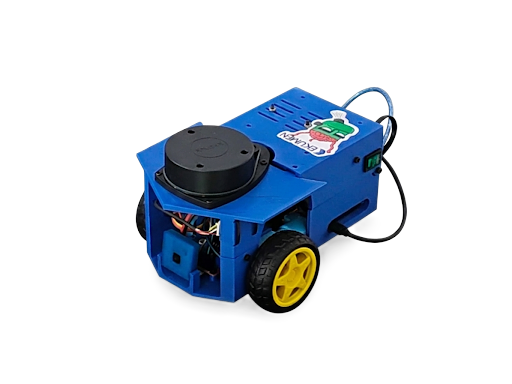
Indoor Delivery Rover
One paragraph of plain English became a spec, a twin, and a measured PASS.
Drive error
0.398%
Turn error
3.653°
RobotForge gives robot models a driving test before anyone trusts them. Describe a robot in words, a photo or a parts list — its simulated twin has to pass before you build or buy anything.
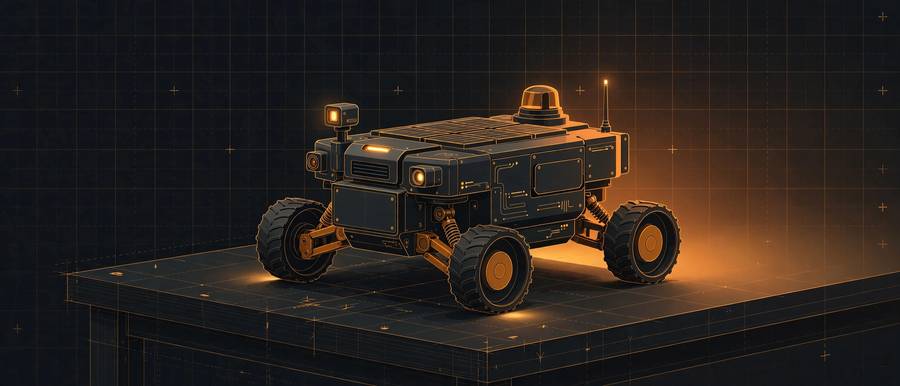
Words, a photo, or a parts list.
The description becomes a spec sheet — numbers only.
The spec becomes a model (URDF/SDF), built in the Gazebo simulator.
The robot drives straight and turns. The gate compares odometry — where it thinks it went — with ground truth: where it actually went.
Pass Distance error 5% or less, heading error 5° or less.
Marginal Between 5% and 10%.
Fail Over 10%, or over 10°. The gate names the spec numbers it suspects.
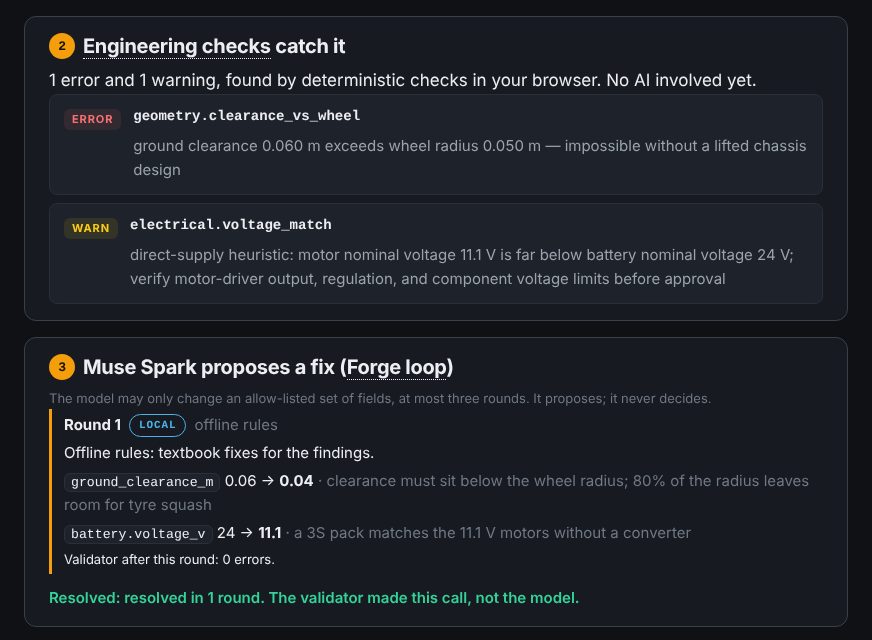
A physically impossible spec — ground clearance bigger than the wheel radius — is refused before the test runs.
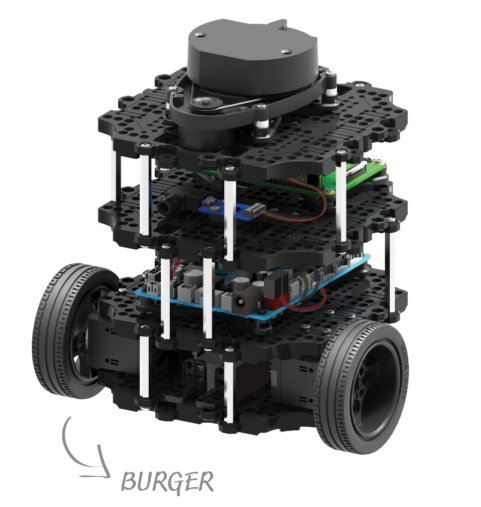
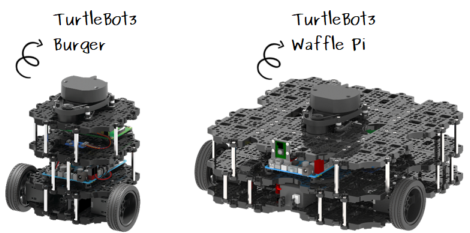
TurtleBot3 Burger — PASS. Distance off by 2.293%, heading by 1.421°.
Pathfinder — PASS.
Andino — FAIL. Heading off by 9.104°: its caster wheel drags in a turn.
A robot that has not run the test is marked NOT GATED.
Under the hood: Muse Spark → spec → deterministic URDF/SDF generation → Gazebo → odometry vs ground truth.
One earned a PASS. One was rigged to fail — and its own sensors couldn't tell.
One paragraph of plain English became a spec, a twin, and a measured PASS.
TurtleBot3 Burger with its physical wheels shrunk to 0.9× while odometry kept believing the spec. The robot's own sensors couldn't see it. The gate could.
Bars run 0–15: green passes, yellow is marginal, past it fails. Recorded in Gazebo Sim, headless, Oct 26, 2026.
All gate reports →Robot photos, spec sheets and part labels become numbers, each marked ESTIMATED or DOCUMENT-READ.
Plain words or a parts list become a full engineering spec.
When a check fails, it suggests a change. The checks accept or reject it, up to three rounds.
The engineering checks, the rover estimates, the URDF and twin, and the Gazebo verdict. Same answer every time.
Watch a broken spec get caught, fixed and re-tested — the whole loop in one run.